The Role of PCB and PCBA Manufacturing in Modern Electronics
Modern technology depends heavily on compact, reliable, and high-performance electronic systems. From smartphones and smart homes to robotics and telecommunications infrastructure, nearly every electronic device relies on printed circuit boards. Understanding how PCB fabrication and assembly work is essential for anyone interested in electronics innovation. Leading manufacturers like Global Well PCBA play a crucial role by delivering advanced PCB and PCBA solutions that support complex and high-precision applications across multiple industries.
What Is a Printed Circuit Board (PCB)?
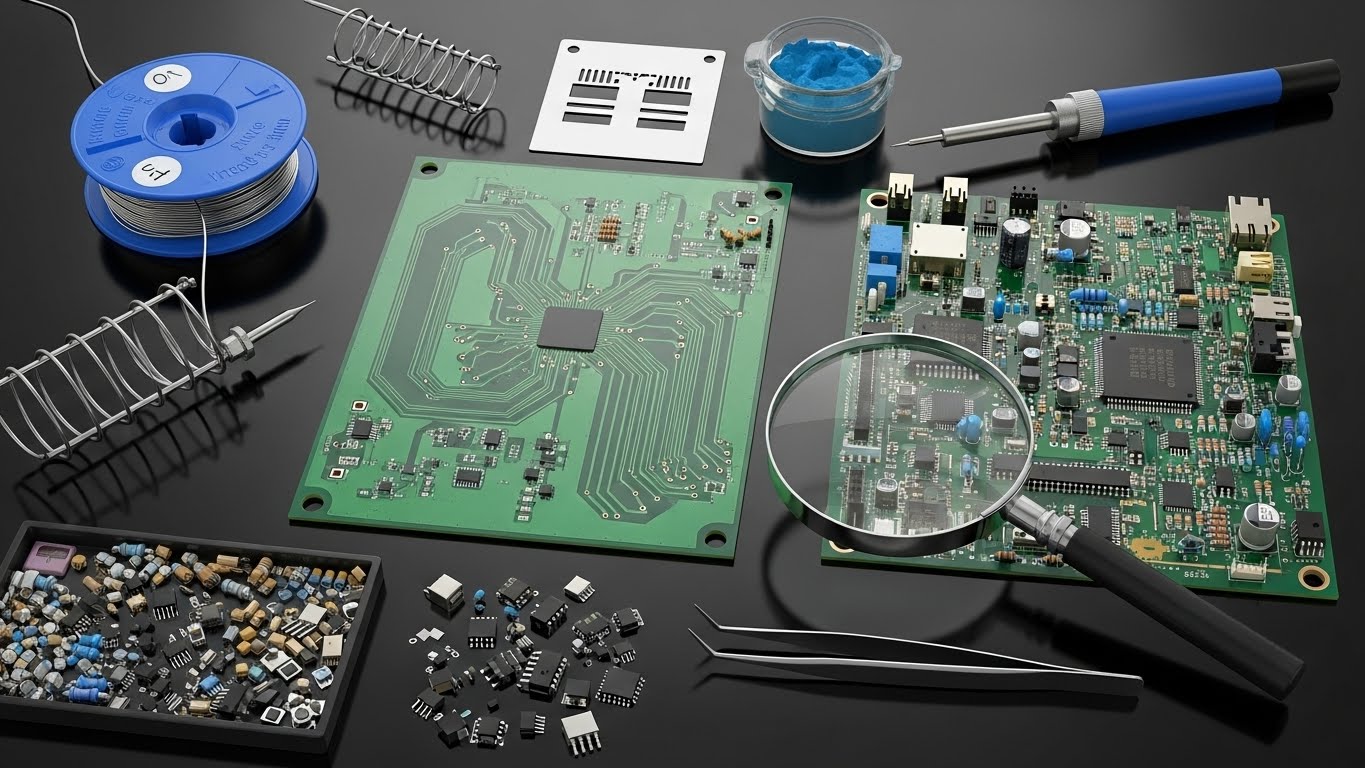
A printed circuit board is the foundation of electronic hardware. It mechanically supports and electrically connects electronic components using conductive tracks, pads, and vias etched from copper sheets laminated onto a non-conductive substrate. PCBs allow circuits to be compact, organized, and reliable compared to traditional point-to-point wiring.
Understanding PCBA: PCB Assembly Explained
PCB Assembly (PCBA) is the process of mounting electronic components—such as resistors, capacitors, and integrated circuits—onto a bare PCB. This process includes surface-mount technology (SMT), through-hole assembly, soldering, and testing. A high-quality PCBA ensures electrical accuracy, mechanical stability, and long-term performance.
Importance of Precision in PCB Fabrication
PCB fabrication requires extreme precision. Trace width, spacing, layer alignment, and material selection all directly impact signal integrity and device reliability. Even small errors during fabrication can lead to short circuits, signal loss, or device failure, especially in high-frequency and high-speed applications.
Advanced PCB Types Used in Modern Devices
Today’s electronics demand more than standard rigid PCBs. Advanced solutions include rigid-flex PCBs that combine flexibility and durability, and high-frequency PCBs designed for minimal signal loss. These specialized boards are widely used in telecommunications, medical equipment, aerospace, and robotics.
High-Frequency PCBs and Signal Integrity
High-frequency PCBs are engineered to handle fast signal transmission with minimal interference. They use specialized materials with low dielectric loss to maintain signal clarity. These boards are critical for applications such as 5G communication, radar systems, and advanced networking hardware.
Rigid-Flex PCBs for Compact and Dynamic Designs
Rigid-flex PCBs allow designers to reduce connectors and cables by integrating flexible circuits directly into rigid boards. This improves reliability, reduces weight, and enables compact designs, making them ideal for robotics, wearable devices, and industrial automation systems.
Role of PCBA in Telecommunications
Telecommunications equipment requires consistent performance, durability, and precision. PCBA manufacturing ensures that routers, base stations, and signal processors operate efficiently under high data loads and continuous use, supporting stable global communication networks.
PCBs and Robotics Innovation
Robotics systems rely on advanced PCBs to control motion, process sensor data, and manage power efficiently. High-quality PCBAs enable precise control, faster response times, and improved reliability in industrial robots, service robots, and autonomous systems.
Quality Control in PCB and PCBA Manufacturing
Strict quality control is essential in PCB and PCBA production. Processes such as automated optical inspection (AOI), X-ray inspection, and functional testing help detect defects early. This ensures that only fully functional and compliant boards reach end users.
Why Material Selection Matters
The choice of substrate material affects thermal performance, durability, and electrical behavior. Manufacturers must select materials based on application requirements, whether for high heat resistance, flexibility, or high-frequency signal transmission.
Global Manufacturing and Electronics Supply Chains
With electronics production becoming increasingly global, reliable manufacturers play a key role in supply chain stability. Experienced PCB and PCBA providers help businesses scale production while maintaining consistent quality and technical standards.
The Future of PCB and PCBA Technology
As devices become smaller and more powerful, PCB and PCBA technologies will continue to evolve. Trends such as miniaturization, higher layer counts, and advanced materials will shape the next generation of electronics across industries.
Conclusion
Printed circuit boards and PCB assembly are at the heart of modern electronics. From telecommunications to robotics, high-quality PCB and PCBA manufacturing enables innovation, performance, and reliability. Choosing experienced manufacturers with advanced capabilities ensures that electronic products meet today’s demanding technical requirements and are ready for the future.